CyberCore: Integrating Futuristic Typography into Modern Design Workflows
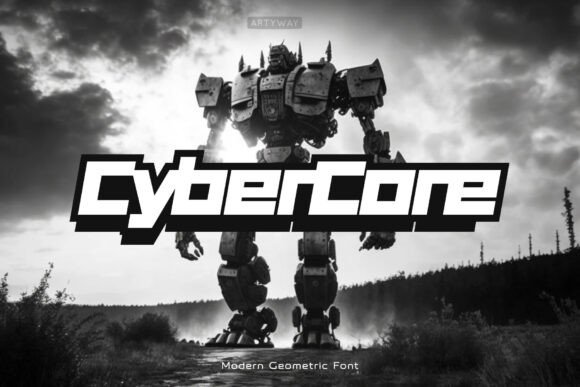
Typography plays a critical role in shaping the visual identity of digital and print projects. CyberCore, a bold and square-shaped geometric font, stands out as a modern solution for designers aiming to convey a sense of technological precision and futuristic aesthetics. Inspired by robotics, cyber culture, and advanced digital interfaces, CyberCore merges clean proportions with a monospaced rhythm, making it a versatile choice for a variety of design contexts.
Understanding CyberCore’s Design Language
The visual characteristics of CyberCore are deeply rooted in its geometric structure and angular clarity. Each letterform is built with sharp edges and uniform spacing, contributing to a consistent visual rhythm that enhances readability and impact. This design approach aligns with minimalist and tech-forward aesthetics, making CyberCore especially effective for branding in the tech sector or for creating sci-fi-themed interfaces.
Its monospaced nature—where each character occupies the same horizontal space—lends a mechanical precision that mimics coding fonts and digital readouts. This quality makes CyberCore not only a stylistic choice but also a functional one, particularly in environments where clarity and structure are essential.
Integrating CyberCore into the Design Process
Incorporating CyberCore into a design workflow begins with understanding its strengths and how it complements other design elements. Whether used in the early conceptual phase or as a final typographic accent, CyberCore can influence the tone and direction of a project.
- Pre-Design Research: Explore the visual language of your brand or project to determine if CyberCore’s futuristic aesthetic aligns with your goals.
- Mockup Development: Use CyberCore in early mockups to test its visual weight and compatibility with other design assets such as icons, color schemes, and imagery.
- Refinement Stage: Fine-tune kerning, spacing, and alignment to maintain readability, especially in long-form text or multi-layered compositions.
Use Cases Across Creative and Business Contexts
CyberCore’s versatility extends beyond sci-fi interfaces and tech logos. It can be effectively applied in a wide range of creative and professional settings:
- Brand Identity: Use CyberCore for logotypes, app icons, or marketing materials that emphasize innovation and forward-thinking design.
- UI/UX Design: Integrate CyberCore into dashboard interfaces, coding tools, or data visualization platforms where a structured, clean aesthetic is required.
- Motion Graphics: Apply CyberCore in title sequences, digital overlays, or animated infographics to reinforce a modern, tech-driven narrative.
- Print and Packaging: Incorporate CyberCore into product packaging or technical documentation to maintain a consistent brand voice across digital and physical touchpoints.
Compatibility and Workflow Integration
For CyberCore to function effectively within a broader design system, it must work in harmony with other tools and resources. Consider the following compatibility factors:
- Software Support: Ensure the font is compatible with your design tools—Adobe Creative Suite, Figma, Sketch, or web development frameworks like CSS and JavaScript libraries.
- Responsive Design: Test CyberCore across screen sizes and resolutions to confirm legibility and visual consistency in web and mobile applications.
- Color and Contrast: Pair CyberCore with high-contrast color schemes to enhance readability, especially in interface design where visual clarity is crucial.
- Font Pairing: Combine CyberCore with complementary typefaces—such as sans-serif or slab-serif fonts—to create visual hierarchy and balance in multi-font layouts.
Optimizing Usability and Long-Term Application
While CyberCore delivers a strong visual impact, maintaining usability over time requires thoughtful implementation. Here are practical considerations for long-term use:
- Consistency: Establish typographic guidelines early in the project to ensure CyberCore is used consistently across all deliverables.
- Scalability: Evaluate how CyberCore performs at different sizes, especially for small print or digital displays where legibility may be challenged.
- Licensing: Confirm that your use of CyberCore complies with licensing terms, particularly for commercial or multi-user environments.
- Version Control: Keep track of font versions, especially in collaborative or long-term projects where design assets may be updated over time.
Practical Implementation Tips for Designers and Teams
To make the most of CyberCore in your design workflow, consider these actionable steps:
- Start with Templates: Create reusable templates in design tools that include CyberCore as a default font for specific design elements like headers, UI buttons, or code snippets.
- Collaborative Workflows: Share font files and usage guidelines with team members to maintain consistency across design assets and avoid version mismatches.
- User Testing: Conduct usability tests when implementing CyberCore in digital interfaces to ensure it supports user comprehension and engagement.
- Feedback Loops: Gather input from stakeholders, developers, and end users to refine how CyberCore is applied in both visual and functional contexts.
Enhancing Efficiency and Organization
Efficient use of CyberCore involves more than just visual appeal—it requires strategic planning and organization. Consider these efficiency-enhancing practices:
- Asset Management: Store CyberCore files in a centralized design asset library with metadata for easy retrieval and version tracking.
- Design Systems: Include CyberCore in your brand or product design system documentation to ensure standardized application across platforms.
- Automation: Use design automation tools or plugins to apply CyberCore styles consistently across multiple design files or components.
- Performance Optimization: For web use, optimize font loading to minimize page weight and ensure fast rendering without compromising visual fidelity.
Conclusion: Making CyberCore a Lasting Part of Your Design Toolkit
CyberCore is more than a typeface—it’s a design decision that can influence the perception and usability of your work. Whether you're building a brand identity, designing a digital interface, or creating motion graphics, CyberCore offers a distinct visual language that resonates with modern audiences. By integrating it thoughtfully into your workflow and aligning it with your project goals, you can ensure it enhances both the aesthetic and functional value of your designs.
As with any design tool, success with CyberCore comes from understanding its strengths, planning for compatibility, and applying it with intention. By following structured implementation practices and maintaining a focus on usability and consistency, designers and teams can harness the full potential of CyberCore across a wide range of creative and professional applications.