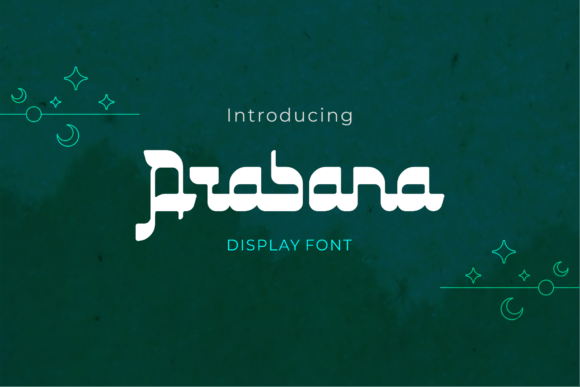
Arabana: A Modern Arabic Font for Elegant Visual Communication
Exploring the Design and Utility of Arabana
Arabana stands out as a contemporary Arabic-style font rooted in the visual traditions of Middle Eastern calligraphy. Unlike many digital typefaces that sacrifice character for functionality, Arabana maintains a balance between aesthetic richness and practical application. Its design draws from centuries-old calligraphic forms while adapting to modern typographic standards, making it suitable for a range of creative and commercial uses.
Key Characteristics of Arabana
What sets Arabana apart is its deliberate emphasis on elegant curves and refined detailing. Each letterform reflects the fluidity and rhythm associated with traditional Arabic script, yet with a clean, structured execution that enhances readability. The font includes ligatures, swashes, and alternate characters that allow for customization without compromising legibility.
- Highly stylized baseline and terminal strokes
- Multiple stylistic sets for varied visual impact
- Optimized spacing for both display and body text
- Support for extended Arabic script and diacritics
Practical Applications and Design Context
Arabana excels in design contexts where visual distinction and cultural resonance are key. It is particularly well-suited for branding materials, packaging, invitations, and editorial design. Designers working on luxury or artisanal brands may find its aesthetic particularly compelling due to its expressive yet controlled appearance.
For example, a boutique perfume label could use Arabana to evoke a sense of heritage and sophistication. Similarly, event designers working on Middle Eastern weddings or cultural exhibitions may choose Arabana to align with thematic elements while maintaining modern typographic clarity.
Usability and Technical Performance
From a technical standpoint, Arabana is well-constructed. The font is available in multiple weights, allowing for typographic hierarchy. Kerning and spacing have been carefully adjusted to ensure visual harmony across different languages and scripts. It performs reliably in both print and digital environments, including web use when properly embedded.
One consideration is that its decorative nature may limit its effectiveness in long-form body text. While it is legible at moderate sizes, using it extensively in paragraphs may reduce readability over time. For this reason, Arabana is best used for headlines, subheadings, and short text blocks rather than extended body copy.
Who Benefits Most from Arabana?
Professionals in branding, graphic design, and marketing will find Arabana a valuable asset when working with Arabic or bilingual content. Freelancers and agencies serving Middle Eastern markets or creating culturally inspired designs can benefit from its expressive qualities. Educators and publishers focusing on Arabic language materials may also find it useful for enhancing visual engagement.
Small business owners launching niche products with cultural themes can leverage Arabana to differentiate their visual identity. Bloggers and content creators focusing on Middle Eastern culture, fashion, or design may also find it a compelling choice for titles and featured graphics.
Integration and Compatibility
Arabana integrates smoothly with common design software including Adobe Creative Suite, Figma, and Sketch. It supports OpenType features, which means users can access alternate characters and ligatures without difficulty. Web developers can embed the font using standard web-safe formats, ensuring cross-browser consistency.
However, users should verify that the intended platforms and applications fully support Arabic script rendering, as typographic performance can vary depending on system settings and software versions.
Long-Term Value and Design Trends
Fonts that blend tradition with modernity tend to have longer relevance in the design world. Arabana’s calligraphic foundation ensures it remains visually timeless, while its digital refinement allows it to fit within current design trends. Unlike overly stylized fonts that quickly become outdated, Arabana maintains a balance that supports long-term usability.
Designers should consider how their audience perceives Arabic script—whether as a familiar language or a visual motif. In contexts where authenticity and cultural respect are important, Arabana’s thoughtful design helps maintain that balance.
Real-World Performance: A Case Study
A recent project involving a Middle Eastern food brand illustrates Arabana’s effectiveness. The brand’s packaging required a font that reflected both authenticity and modern appeal. Arabana was selected for the primary logo and key product descriptors. The result was a cohesive visual identity that resonated with both local and international consumers, demonstrating the font’s ability to bridge cultural and typographic expectations.
Limitations and Considerations
While Arabana offers strong visual appeal, it may not be the best choice for every project. Its ornate qualities, while beneficial for branding and display use, can hinder readability in functional contexts such as instructional materials or user interfaces. Designers should also be cautious about overusing decorative alternates, which can complicate readability and consistency across different applications.
Additionally, while Arabana supports extended Arabic script, it may not cover all regional variations or specialized typographic needs. Users working with specific dialects or linguistic requirements should test the font thoroughly before committing to it in large-scale projects.
Final Thoughts on Arabana
Arabana is a well-crafted typeface that successfully merges the elegance of traditional Arabic calligraphy with modern typographic functionality. It offers a distinctive visual voice without sacrificing technical quality, making it a practical choice for designers seeking cultural depth in their work. Whether used for branding, editorial design, or event materials, Arabana provides a strong foundation for expressive and professional typography.
For those considering its use, the key is to match the font’s strengths with the project’s intent. When used thoughtfully, Arabana enhances visual communication while honoring the rich heritage of Arabic script in a contemporary format.