Lovely Giggle: Strategic Use of a Playful Font for Creative Communication
Understanding the Unique Appeal of Lovely Giggle
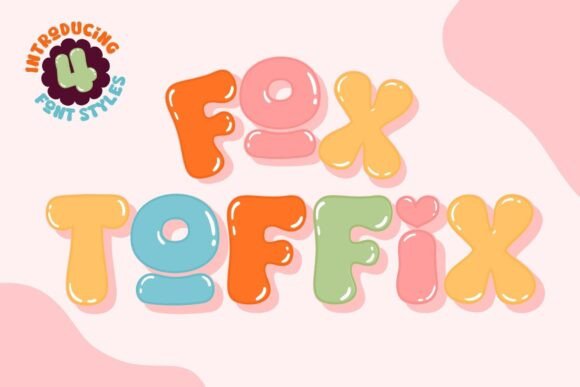
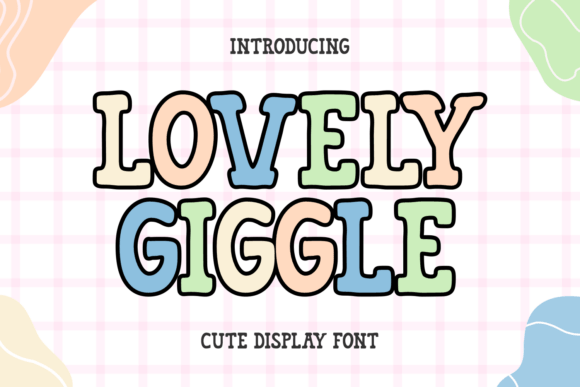
Lovely Giggle is not just another decorative font. It’s a design element that brings a distinct personality to any visual project. With its rounded, handwritten style and bold pastel tones, it captures a sense of innocence and playfulness. Unlike standard fonts that prioritize legibility over character, Lovely Giggle is crafted as a display font—meant to be seen, felt, and remembered. Its cartoonish, expressive forms serve both as typographic elements and decorative assets, making it ideal for contexts where emotional resonance and visual impact are key.
For professionals in branding, education, marketing, and digital content creation, the font offers more than aesthetic appeal. When used intentionally, it can reinforce messaging, support brand voice, and enhance user engagement—especially in projects targeting younger audiences or aiming to evoke nostalgia and warmth.
When and Why to Consider Lovely Giggle in Your Design Strategy
Not every project benefits from a whimsical font. However, when your goal is to create a lighthearted, approachable, or emotionally engaging experience, Lovely Giggle can be a powerful ally. It works particularly well in:
- Children’s book layouts and educational materials
- Branding for kid-focused products or family-oriented services
- Social media graphics that aim to evoke joy or nostalgia
- Invitation designs for baby showers, birthdays, or casual events
- Creative websites or landing pages targeting a youthful demographic
Strategically, using Lovely Giggle should align with your broader communication goals. If you're building a brand identity that values fun, creativity, and approachability, this font can become a subtle yet effective component of your visual language.
Planning Your Use of Lovely Giggle for Maximum Impact
Integrating Lovely Giggle into your design workflow requires more than just selecting it from a font library. To use it effectively, consider the following:
- Define the emotional tone: Does your project aim to feel playful, innocent, or joyful? If so, Lovely Giggle aligns well.
- Balance with other typographic elements: Pair it with clean, sans-serif fonts for body text to maintain readability and contrast.
- Limit usage to headers and accents: As a display font, it’s best used in titles, logos, or short bursts of text rather than long-form content.
- Match color schemes to its pastel palette: The font’s vibrancy shines when paired with soft, modern hues that reflect its cheerful tone.
By planning ahead and aligning its use with your design goals, you avoid the risk of visual clutter or miscommunication. Thoughtful implementation ensures that Lovely Giggle supports your message rather than overshadowing it.
Avoiding the Pitfalls of Overuse and Misalignment
While Lovely Giggle has a strong visual identity, it’s not a one-size-fits-all solution. Using it inappropriately can dilute your brand message or confuse your audience. For example, using this font in a corporate finance report or a serious healthcare campaign would likely undermine the intended tone and credibility.
Another common misstep is overusing the font across multiple design elements. Since it’s bold and attention-grabbing by nature, it can easily dominate a layout if not balanced with simpler typographic choices. This can lead to a design that feels chaotic or unprofessional.
To avoid these issues, always ask:
- Does this font align with the emotional and functional goals of the project?
- Is it being used in a way that enhances readability and engagement?
- Am I balancing it with more neutral design elements to maintain visual hierarchy?
Supporting Creativity and Productivity with Intentional Typography
Creative professionals often underestimate the impact of typography on workflow and output. Choosing the right font at the right time can inspire creativity, streamline design decisions, and even improve productivity by reducing back-and-forth revisions.
Lovely Giggle, when used within the right context, can spark inspiration and bring a sense of fun to the creative process. Whether you're designing a logo for a new children’s clothing line or crafting a playful social media campaign, the font can serve as a visual anchor that guides the rest of your design choices.
Additionally, because it’s a distinctive font, it can help speed up the design process by narrowing down typographic options. When your project clearly calls for a playful, youthful tone, choosing Lovely Giggle becomes a strategic shortcut rather than a stylistic gamble.
Long-Term Value: Building a Cohesive Visual Identity
Fonts are more than stylistic choices—they’re part of your brand’s identity. Consistent use of a unique font like Lovely Giggle across your marketing materials, digital assets, and product packaging can reinforce brand recognition over time.
However, this requires a long-term approach. Consider how Lovely Giggle fits into your overall brand toolkit. Will it be reserved for specific product lines or seasonal campaigns? Will it be used across both print and digital formats? These decisions influence how audiences perceive your brand and how memorable your visual identity becomes.
For educators and content creators, using the font consistently in course materials or branded resources can also create a cohesive and engaging learning experience. When students or followers associate a particular visual style with your content, it strengthens their emotional connection and recall.
Real-World Examples of Strategic Implementation
Let’s look at a few practical applications where Lovely Giggle adds strategic value:
- Educational blogs: A teacher’s blog offering downloadable worksheets for preschoolers uses Lovely Giggle for headers and activity titles, making the content feel more engaging and age-appropriate.
- Small business branding: A boutique toy store incorporates the font into its logo and in-store signage to reflect its playful, child-friendly environment.
- Social media marketing: A lifestyle influencer uses the font in Instagram Stories to highlight fun, family-oriented content, reinforcing a warm and approachable persona.
In each of these cases, the font isn’t used randomly—it’s part of a deliberate design strategy aimed at supporting the brand’s voice and connecting with the target audience on an emotional level.
Conclusion: Using Lovely Giggle with Purpose
In the world of typography, intentionality is key. Lovely Giggle may be a whimsical font, but its strategic use can have real impact on communication, branding, and audience engagement. By understanding its strengths and limitations, aligning it with your project goals, and planning its implementation carefully, you can turn this expressive font into a valuable asset.
Whether you're a designer, marketer, educator, or small business owner, consider how Lovely Giggle might enhance your visual storytelling—not as a gimmick, but as a thoughtful design choice that brings joy, clarity, and connection to your audience.