Climber Font: A Playful and Versatile Choice for Creative Projects
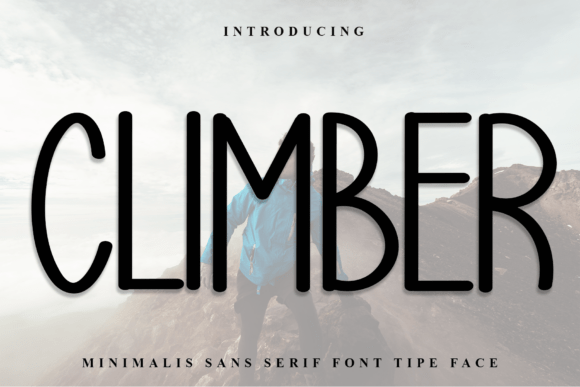
When it comes to choosing the right font for a design project, the tone and personality of the typeface can significantly influence the final outcome. Climber is a casual, hand-drawn font that brings a sense of warmth and approachability to any visual layout. Its rounded, playful strokes make it stand out from more rigid or formal fonts, positioning it as an ideal option for designs that aim to feel personal, creative, and inviting.
What Makes Climber Unique?
At its core, Climber distinguishes itself through its handcrafted aesthetic. Unlike machine-rendered typefaces, this font carries the charm of being drawn by hand, which adds a level of authenticity and character. Its rounded edges and soft lines contribute to a relaxed and friendly appearance, making it particularly well-suited for projects that need to feel approachable rather than authoritative.
One of the practical advantages of Climber is its compatibility across major design platforms. Thanks to standard PUA-encoded glyphs, users can access its full character set in applications like Adobe Photoshop, Illustrator, CorelDRAW, and Canva. This broad compatibility ensures that designers can integrate the font seamlessly into their workflow without technical hurdles.
How Climber Fits Into the Casual Font Category
In the broader landscape of casual and creative fonts, Climber occupies a space between whimsical and professional. It’s more structured than highly decorative script fonts but less formal than clean sans-serif options. This balance makes it versatile for a range of uses, especially when a design needs to feel both expressive and readable.
- Playful yet legible: Its rounded forms maintain clarity even at smaller sizes.
- Hand-drawn appeal: Offers a personal touch that many digital fonts lack.
- Flexible tone: Can be used for both light-hearted and moderately professional contexts.
Comparing Climber to Similar Font Styles
When evaluating casual fonts, it's helpful to understand where Climber fits in comparison to other styles:
- Script Fonts: These are often more elegant and fluid, but may sacrifice readability for style. Climber offers a more balanced approach that retains legibility while still feeling expressive.
- Sans-Serif Casual Fonts: These tend to be cleaner and more modern, but can sometimes feel too neutral. Climber introduces a more personable tone without straying into overly decorative territory.
- Handwritten Fonts: These can be more varied in style and often feel more spontaneous. Climber is more consistent in structure, making it better suited for designs that require a level of polish alongside creativity.
Each of these styles has its place depending on the project's needs. For instance, a wedding invitation might lean toward a flowing script font, while a children’s book illustration could benefit from a more structured yet playful option like Climber.
Strengths and Tradeoffs of Using Climber
Like any design tool, Climber has specific strengths and limitations that should be considered based on the intended use:
Strengths:
- Warm, approachable appearance
- Consistent character spacing enhances readability
- Works well across multiple design platforms
- Ideal for designs that require a handcrafted, personal feel
Potential Tradeoffs:
- May not be suitable for formal or technical applications
- Limited character variation compared to more complex fonts
- May require additional spacing or layout adjustments in dense text blocks
Best-Use Scenarios for Climber
Climber shines in situations where a design needs to feel warm, personable, and creative. Here are some common use cases where this font tends to perform well:
- Invitations and greeting cards: The friendly tone makes it a natural fit for personal celebrations and announcements.
- Social media graphics: Its casual style works well for posts that aim to feel relatable and engaging.
- Personal branding and blogs: Especially for creators who want to convey a down-to-earth, authentic image.
- Children’s media and educational materials: The rounded shapes are visually appealing and easy on the eyes for younger audiences.
In each of these cases, the font helps reinforce the emotional tone of the content, enhancing the overall message rather than distracting from it.
When to Consider Alternatives
While Climber is a strong option for many creative projects, there are situations where a different font may be more appropriate:
- Formal documents or corporate branding: Fonts with a more structured, professional appearance are typically better suited.
- Long-form text or body copy: Due to its playful nature, Climber may not be the most readable option for extended reading.
- Highly stylized or niche design themes: Some projects may call for more exaggerated or minimalist styles that Climber doesn’t fully capture.
In these cases, exploring other font categories such as serif, geometric sans-serif, or minimalist script styles could yield better results.
Practical Considerations for Designers
For designers evaluating Climber, it’s important to test the font in context. Here are a few tips to help determine if it’s the right fit:
- Preview in real-world applications: Try using the font in your intended layout to see how it interacts with other design elements.
- Check glyph coverage: Make sure the font includes all necessary characters, especially if you're working with multiple languages or special symbols.
- Pair with complementary fonts: Climber works well with clean sans-serif or minimalist serif fonts, creating a balanced visual hierarchy.
By experimenting with spacing, color, and layout, designers can maximize the strengths of Climber while ensuring it supports the overall design goals.
Making an Informed Choice
Selecting the right font is more than just a matter of aesthetics—it’s about aligning the typographic choice with the message, audience, and medium. Climber offers a compelling blend of warmth, readability, and flexibility that makes it a strong contender for casual and creative projects. However, like any design decision, it’s best approached with a clear understanding of its strengths and limitations.
By comparing Climber against other font styles and testing it in practical scenarios, designers and creators can ensure their typographic choices enhance the visual narrative rather than detract from it. Whether you're crafting a personal logo, designing a social media post, or working on a fun print layout, Climber offers a distinctive and user-friendly option worth exploring.