Kids Comic Font: A Cheerful Choice for Creative Design Projects
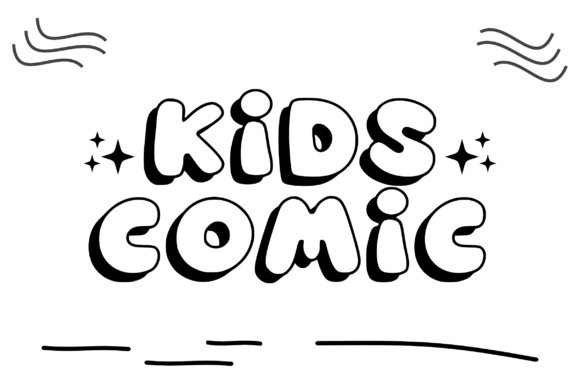
When it comes to choosing the right font for creative design, the options can feel overwhelming. One standout option that’s gaining traction among designers and creators is Kids Comic, a modern outline font designed with a playful and approachable aesthetic. Each character is crafted to be both cute and clearly legible, making it a versatile option for a variety of design applications. Whether you're working on a t-shirt print, a children’s book layout, or a whimsical animation, Kids Comic brings a distinct personality to the table.
What Sets Kids Comic Apart
Kids Comic distinguishes itself with its clean, open outlines and a slightly rounded structure that gives it a friendly, youthful appeal. Unlike many fonts that aim for minimalism or bold impact, Kids Comic leans into a soft, hand-drawn style that feels approachable without sacrificing readability. This makes it particularly well-suited for projects that target younger audiences or aim to convey a sense of fun and imagination.
The font’s design avoids excessive embellishments, which helps maintain clarity even at smaller sizes. This is a crucial consideration when applying the font to physical products like mugs or tote bags, where fine details can be lost during the printing process. Its outline format also allows for creative layering and color fills, giving designers flexibility in how they implement the font within their visual projects.
Comparing Kids Comic to Similar Fonts
While there are many playful fonts on the market, Kids Comic occupies a unique niche between cartoon-style lettering and more structured children’s fonts. Some alternatives lean heavily into exaggerated shapes or highly stylized letterforms, which can be visually striking but may sacrifice legibility or versatility. In contrast, Kids Comic maintains a balance that makes it usable across a broader range of design contexts.
- Cartoon-style fonts often feature exaggerated curves and bold outlines, making them ideal for logos or headlines but less suitable for extended text. Kids Comic, while still expressive, is more restrained in its design, allowing for more flexibility.
- Handwriting fonts can offer a personal, organic feel, but they may not hold up well in all design formats—especially those requiring high contrast or clean lines. Kids Comic’s structured outline format ensures it remains consistent and readable.
- Serif and sans-serif fonts designed for children’s materials tend to prioritize clarity over character. While these fonts are often easier to read in long passages, they lack the visual flair that Kids Comic brings to the table.
When Kids Comic Excels
Kids Comic shines in design projects that benefit from a lighthearted, engaging tone. It’s particularly effective when used in sublimation designs for apparel and accessories. T-shirts, hoodies, and hats that feature Kids Comic lettering tend to stand out for their charm and readability, making them popular choices for themed merchandise, school projects, or family events.
The font also works well in animated content, where expressive text can enhance the storytelling experience. Titles, captions, and speech bubbles in Kids Comic contribute to a cohesive visual style that feels both modern and accessible. Similarly, comic book titles and illustrated children’s books benefit from the font’s playful nature, helping to establish a tone that’s inviting and imaginative.
Practical Considerations and Limitations
While Kids Comic offers a unique design aesthetic, it’s important to consider its limitations. Because it’s an outline font, it may not be the best choice for projects that require dense text blocks or high contrast. The outline style, while visually appealing, can sometimes reduce readability in low-resolution formats or small print sizes.
Additionally, its distinctive look may not align with every brand or project. For instance, professional or academic materials typically require a more neutral typographic style. In these cases, simpler fonts with a more formal structure may be a better fit.
Another consideration is the need for customization. While Kids Comic allows for color fills and layering, it doesn’t include extended character sets or alternate glyphs that some more complex fonts offer. Designers who require multilingual support or specialized typographic features may need to explore other options.
Choosing the Right Font for Your Project
When evaluating fonts for a creative project, it’s important to weigh both aesthetic and functional factors. Kids Comic is an excellent option for designers who want to infuse their work with a sense of fun and approachability without compromising on clarity. However, it’s not a one-size-fits-all solution.
Consider the intended use of the font. If your project involves a lot of text, such as a storybook or educational material, test Kids Comic in different contexts to ensure it remains legible. For graphic design applications like logos, posters, or product packaging, the font’s bold outlines and cheerful style can be a major asset.
Also, think about brand alignment. If your brand voice is playful and imaginative, Kids Comic may be a natural fit. If you’re aiming for a more sophisticated or formal tone, you may want to explore alternative fonts that better reflect that identity.
Real-World Applications and Examples
Designers have found creative ways to incorporate Kids Comic into a wide range of projects. For example, a boutique clothing brand specializing in children’s apparel might use the font for t-shirt graphics and packaging labels. The font’s rounded outlines and cheerful character help reinforce the brand’s youthful identity.
In the world of digital illustration, artists have used Kids Comic to label character names and dialogue in web comics and animated shorts. The font’s clear structure ensures that text remains readable even when scaled down for mobile viewing.
Another practical application is in event branding. A local children’s festival might use Kids Comic for promotional materials, signage, and merchandise. The font’s recognizable style helps create a cohesive and engaging visual identity that appeals to both kids and parents.
Making an Informed Decision
Ultimately, choosing the right font comes down to understanding your project’s needs and audience. Kids Comic offers a compelling combination of charm, clarity, and flexibility that makes it a strong contender for a variety of creative uses. However, it’s not the only option available, and its unique style may not be the best fit for every situation.
Take the time to test the font in different contexts, compare it with alternatives, and consider how it aligns with your overall design goals. By doing so, you’ll be better equipped to make a decision that supports both the visual appeal and functionality of your project.