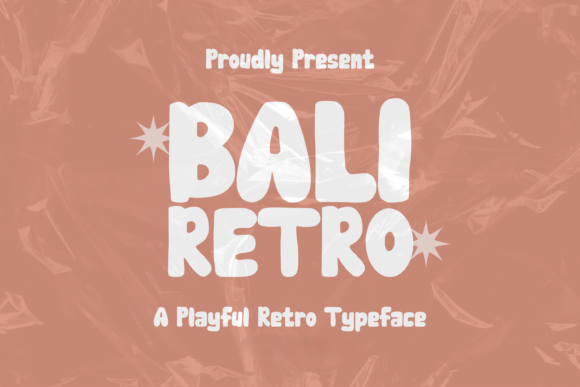
Bali Retro: A Playful Typeface with Tropical Charm
If you're searching for a font that radiates fun, nostalgia, and a hint of island life, Bali Retro could be exactly what your design project needs. This distinctive typeface blends bold, rounded letterforms with a carefree, vintage aesthetic, making it a go-to choice for creatives aiming to evoke a sense of joy and warmth in their work. Whether you're designing a summer campaign, a travel brand identity, or a retro-themed poster, Bali Retro adds a unique flavor that's hard to replicate with more conventional fonts.
Understanding Bali Retro: More Than Just a Nostalgic Font
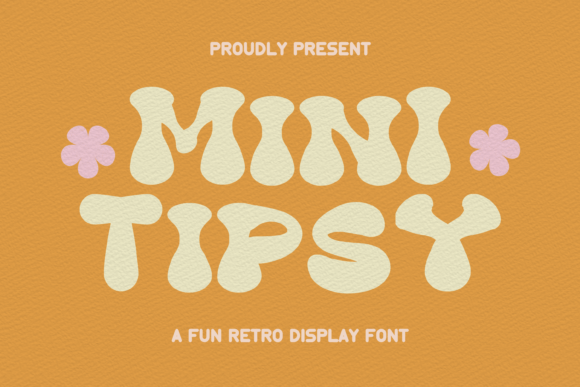
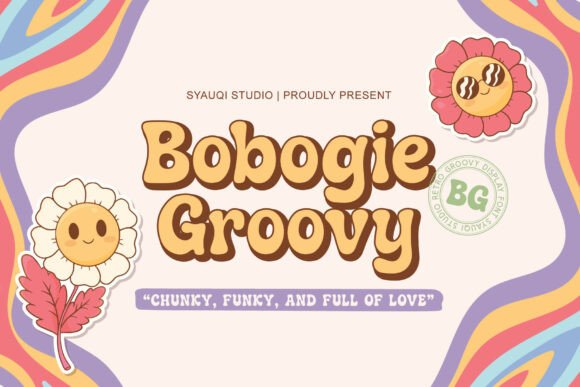
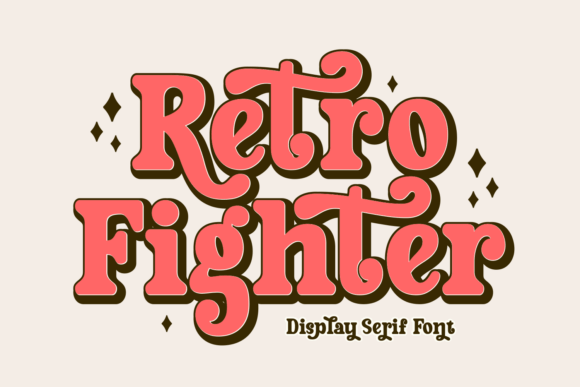
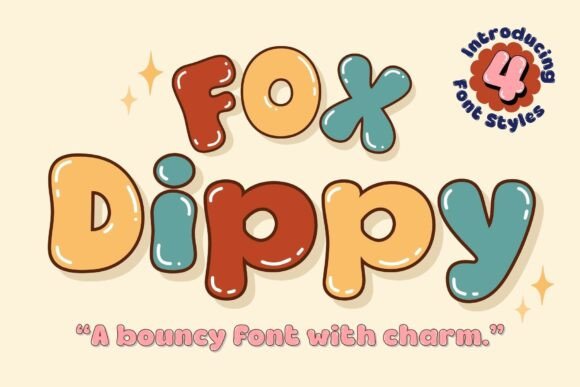
Bali Retro stands out for its bubbly, oversized curves and strong visual presence. It's crafted to mimic the bold signage and hand-painted lettering of mid-century tropical and surf culture. This makes it ideal for projects that benefit from a cheerful, eye-catching appearance. However, its playful nature doesn't mean it's a one-trick pony. When used thoughtfully, Bali Retro can be surprisingly versatile, especially in branding and promotional materials where personality and memorability are key.
Common Mistakes When Choosing and Using Bali Retro
Despite its charm, Bali Retro can be misused, especially by those unfamiliar with its characteristics and intended use cases. Here are some common pitfalls to avoid:
1. Overusing It in Complex Layouts
One of the most frequent errors is applying Bali Retro in layouts with multiple text elements or dense information. Because of its rounded, bold style, it can quickly overwhelm a design if used for body copy or in conjunction with other decorative fonts. The result? A cluttered, hard-to-read composition that distracts rather than delights.
Better approach: Reserve Bali Retro for headlines, logos, or short bursts of text where it can shine without competing with other design elements. Pair it with clean, minimalist sans-serif fonts for balance and readability.
2. Ignoring Licensing Restrictions
Many designers download fonts without checking the licensing terms, and Bali Retro is no exception. Some versions may be free for personal use but require a commercial license for business projects. Failing to comply can lead to legal issues and unexpected costs down the line.
Better approach: Always verify the licensing agreement before using Bali Retro in a client project or commercial product. Purchase the appropriate license if needed, and keep documentation for your records.
3. Misjudging Its Applicability
While Bali Retro has a strong personality, it's not suitable for every design context. Using it in formal, corporate, or academic settings can come across as mismatched or unprofessional. Similarly, trying to force it into a design that calls for a more restrained or modern font can undermine the overall message.
Better approach: Consider the tone and audience of your project before selecting Bali Retro. If your design requires a serious or elegant vibe, opt for a different font. But if you're aiming for a vibrant, retro, or tropical feel, Bali Retro can be a perfect fit.
4. Neglecting Kerning and Spacing
Bali Retro's rounded forms can create uneven spacing between letters if not adjusted properly. This issue is especially noticeable in all-caps settings or in large display sizes, where the natural spacing of the font may appear inconsistent.
Better approach: Take the time to manually adjust kerning and tracking when using Bali Retro in headlines or logos. This small step can significantly enhance the visual harmony and professionalism of your design.
What to Check Before Downloading or Buying Bali Retro
Before committing to Bali Retro, take a few moments to evaluate the font's quality and compatibility with your project:
- Font formats: Ensure the package includes common formats like .OTF and .TTF for broad software compatibility.
- Character set: Check for extended language support if your project includes non-English text.
- Additional styles: Some font packages include alternate weights or stylistic sets that can expand your design options.
- Customer reviews: Look for feedback from other designers about usability, quality, and support from the font creator.
Enhancing Your Design with Bali Retro
When used correctly, Bali Retro can elevate your design and create a lasting impression. Here are a few practical tips to make the most of this expressive font:
- Pair it wisely: Combine Bali Retro with simple, geometric fonts to maintain visual balance and readability.
- Limit its use: Restrict the font to headings or logos rather than long paragraphs or complex UI elements.
- Test in context: Preview Bali Retro in your actual design environment to ensure it works well with your color scheme, layout, and imagery.
- Experiment with effects: Try adding subtle shadows, outlines, or gradients to enhance the font's playful character, especially in digital or poster designs.
Final Thoughts
Bali Retro is more than just a fun, retro-inspired font—it's a design tool that brings personality, warmth, and a touch of nostalgia to your creative work. By understanding its strengths and limitations, you can use it effectively and avoid common missteps that might otherwise compromise your results. Whether you're a seasoned designer or just starting out, taking the time to explore and apply Bali Retro thoughtfully can make a big difference in how your message is received.