Banana Chocolate: A Versatile Font for Warm, Clear Design
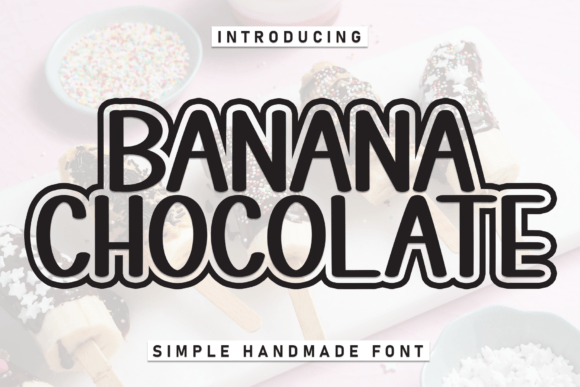
When you're working on a design project that needs to feel both friendly and professional, Banana Chocolate steps in as a reliable choice. It's a casual yet neat display font that balances approachability with clarity. Whether you're crafting a logo, designing a website header, or putting together marketing materials, this font brings a sense of warmth without sacrificing readability.
Where Banana Chocolate Shines
One of the best things about Banana Chocolate is how well it adapts to different design contexts. It's especially effective when you want your message to feel genuine and inviting. For example, local coffee shops or bakeries often use this font in their branding because it gives off a cozy, handcrafted vibe. You might see it on café signage, menu boards, or even on custom packaging for artisanal products.
Another common use is in lifestyle and wellness branding. Think of yoga studios, natural skincare brands, or eco-friendly product lines. These industries rely on creating a sense of trust and comfort, and Banana Chocolate supports that with its clean yet personable appearance.
Perfect for Digital and Print Projects
This font works well across both digital and print formats. In web design, it’s often used for headlines or call-to-action buttons where legibility and warmth matter. It helps guide the user’s eye without feeling too formal or stiff. For print, it’s ideal for posters, greeting cards, and packaging—especially when the goal is to connect emotionally with the audience.
Bloggers and content creators also appreciate Banana Chocolate for social media graphics and quote images. It helps maintain a clean aesthetic while still feeling expressive. If you're creating digital downloads like planners or recipe cards, this font adds a touch of personality without overwhelming the layout.
Who Benefits Most from Banana Chocolate?
Small business owners, freelancers, and DIY creators find Banana Chocolate especially useful. If you're designing your own logo or promotional materials and don't have a background in typography, this font makes it easy to achieve a polished look. It’s forgiving in that sense—its balanced letterforms help maintain visual harmony even when used in less-than-perfect layouts.
Designers who work with multiple typefaces also appreciate how well it pairs with more structured sans-serif or serif fonts. For instance, using Banana Chocolate for a headline and a clean sans-serif like Open Sans for body text creates a nice visual contrast that’s both modern and readable.
What to Consider Before Using Banana Chocolate
While Banana Chocolate is versatile, it's not a one-size-fits-all solution. Since it's a display font, it's best used at larger sizes. Trying to use it for long paragraphs or small text can reduce its impact and make it harder to read. Always test how it looks across different screen sizes if you're using it on a website or mobile app.
Also, consider the tone of your project. If you're designing for a formal or corporate audience, this font might come across as too casual. It’s great for brands that want to feel human and relatable but may not be the best fit for law firms, financial institutions, or luxury brands.
Pairing and Customization Tips
One of the strengths of Banana Chocolate is how well it pairs with other fonts. If you're aiming for a minimalist look, try combining it with a simple monospace or geometric sans-serif. For a more playful or rustic feel, pair it with a hand-drawn or brush-style font for accents.
Color choices also matter. This font tends to work best with warm or neutral color palettes—think browns, creams, soft greens, and muted reds. But don’t be afraid to experiment. It holds up well against bold backgrounds as long as there's enough contrast to keep the text readable.
Real-World Examples and Observations
Many independent creators use Banana Chocolate in their Canva templates, especially those focused on wellness, food, and self-care. It’s also popular among Etsy sellers who design printable art or custom labels. One common observation is that this font helps their products feel more personal and handcrafted, which appeals to buyers looking for authenticity.
Web designers have noted that when used in moderation, Banana Chocolate can make landing pages feel more approachable. It’s especially effective for startups or service-based businesses that want to appear friendly and trustworthy without looking unprofessional.
Strengths and Limitations
The biggest strength of Banana Chocolate is its readability combined with its warm character. It strikes a balance between casual and clean, making it more versatile than many other display fonts. Its letterforms are evenly spaced and designed for clarity, which helps maintain legibility even in fast-paced environments like digital banners or event posters.
On the flip side, its casual nature means it’s not always suitable for technical or academic use. And while it works well in headlines and short text, it lacks the subtle variations and spacing needed for extended body copy. If you're considering it for a brand identity, make sure to pair it with a more traditional typeface for secondary text to maintain visual balance.
Final Thoughts
Whether you're building a brand from scratch or refreshing an existing design, Banana Chocolate offers a friendly, modern touch that resonates with a wide audience. It’s particularly useful for creatives and small businesses that want to communicate warmth and clarity without overcomplicating their visual language. Like any design tool, it works best when used thoughtfully and in the right context—but when it fits, it truly enhances the message you're trying to convey.