Book Diary: A Cheerful Font for Creative Expression
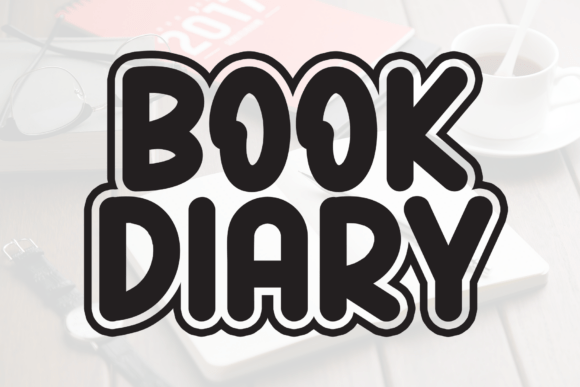
If you're in search of a font that radiates warmth and liveliness, look no further than Book Diary. This handwritten display font is more than just a pretty face—it's a versatile tool for anyone looking to add a personal, expressive touch to their designs. Whether you're crafting wedding invitations, greeting cards, or digital illustrations, Book Diary brings a sense of joy and authenticity that's hard to replicate with more formal typefaces.
Why Book Diary Stands Out
Unlike rigid, impersonal fonts, Book Diary mimics the natural flow of handwriting. Its soft curves and slightly bouncy baseline give it a playful yet readable quality. This makes it ideal for projects that benefit from a human touch—think handwritten notes, personal blogs, or boutique branding. The font's expressive nature allows designers to communicate emotion without relying solely on imagery or color.
Perfect for Weddings and Celebrations
For couples planning their big day, Book Diary adds a sweet, memorable flair to wedding stationery. From save-the-dates to thank-you cards, this font helps set a warm and intimate tone. Designers and DIY planners alike appreciate how easily it pairs with elegant scripts or minimalist sans serifs to create visual hierarchy without overwhelming the layout.
How Different Users Benefit from Book Diary
Depending on your experience level and goals, your reasons for choosing Book Diary may vary. Here's how different audiences can make the most of this expressive font:
Beginners and Hobbyists
If you're just starting out in design, Book Diary offers a friendly entry point. Its legibility and charm make it easy to use without requiring advanced typographic knowledge. Whether you're creating a birthday card in Canva or designing a social media post for your personal blog, this font helps your message shine without looking cluttered or unprofessional.
Professionals and Freelancers
Designers working with clients often need to balance creativity with readability. Book Diary provides a unique aesthetic that's still approachable, making it a smart choice for branding projects, packaging, or editorial design. Its versatility allows for both print and digital use, and its expressive tone can help reinforce a brand's personality—especially for lifestyle, wellness, or children's niches.
Educators and Creators
For teachers and content creators, fonts play a subtle but powerful role in engagement. Book Diary can be used to design classroom posters, educational infographics, or YouTube thumbnails that feel approachable and inviting. Its casual yet clear appearance helps reduce visual stress, especially for younger audiences or those who may be easily overwhelmed by dense typography.
Entrepreneurs and Small Business Owners
If you're building a brand that values authenticity and warmth, Book Diary can be a valuable asset. Local bakeries, handmade goods shops, and boutique studios often benefit from a handwritten aesthetic that conveys care and craftsmanship. Used in logos, packaging, or website headers, this font helps create a memorable visual identity that resonates emotionally with customers.
Key Considerations When Choosing Book Diary
While Book Diary is a standout font, it's important to evaluate it based on your specific needs. Here are some factors to keep in mind:
- Readability: Best used in medium to large sizes; may not be ideal for long blocks of text.
- Cost: Available in both free and premium versions depending on the platform.
- Flexibility: Works well in both print and digital formats, especially when paired with simpler fonts.
- Commercial Use: Always check licensing terms before using in client or business projects.
Pairing Book Diary with Other Fonts
To get the most out of Book Diary, consider how it interacts with other typefaces. Here are a few combinations that work well:
- With a Serif Font: Try pairing it with Georgia or Playfair Display for a timeless, elegant look—great for wedding invitations.
- With a Sans Serif: Use Montserrat or Lato alongside Book Diary for clean contrast in branding or digital design.
- With a Monospace Font: For a quirky twist, pair it with Courier in creative presentations or blog headers.
Real-World Examples of Book Diary in Use
Seeing how others use a font can inspire your own projects. Here are a few practical examples across different user types:
- Blogger: A lifestyle blogger uses Book Diary for post titles to give a handwritten journal feel.
- Freelance Illustrator: Incorporates the font into digital art pieces for a whimsical, personal touch.
- Small Business Owner: Uses Book Diary in product packaging for a handmade, boutique aesthetic.
- Teacher: Designs classroom calendars and activity sheets that feel less formal and more engaging.
When Book Diary Might Not Be the Best Fit
While it's a charming choice, Book Diary may not suit every project. For example:
- Formal Reports: Too casual for legal or academic documents.
- Long-Form Reading: Not optimized for extended reading due to its decorative nature.
- High-Contrast Environments: May lose clarity in low-resolution or small print formats.
Final Thoughts: Is Book Diary Right for You?
Ultimately, choosing a font like Book Diary comes down to your project's tone, audience, and purpose. If you're aiming for warmth, creativity, and a touch of personality, this font could be a perfect match. It's especially well-suited for anyone who wants to add a human element to their designs without sacrificing clarity or charm.
Whether you're a hobbyist, educator, business owner, or professional designer, take a moment to consider how Book Diary aligns with your current goals. Download a sample, try it in your layout, and see how it feels in context. You might just find that this cheerful, expressive font is the missing ingredient in your next creative project.