Haloberry: A Cute Display Font That Deserves a Second Look
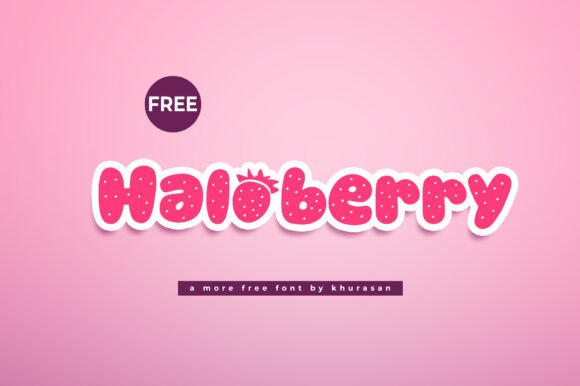
If you're searching for a modern, charming font that can elevate your creative projects, Haloberry might be exactly what you need. Designed with a playful yet professional touch, this display font is ideal for logos, posters, book covers, banners, and more. Its versatility makes it a popular choice among designers, marketers, and small business owners who want to stand out without sacrificing readability or style.
But like any design tool, Haloberry works best when used thoughtfully. Many users overlook key considerations that can affect the final outcome of their projects. Let’s explore some of the most common mistakes and how to avoid them when working with Haloberry.
Choosing Haloberry Without Considering the Project Context
One of the biggest missteps when using Haloberry is applying it to projects that don’t align with its style. While it’s undeniably cute and modern, it may not be the best fit for formal or technical materials like legal documents or corporate reports.
For example, using Haloberry in a law firm’s branding materials could send the wrong message about professionalism and reliability. Instead, reserve it for contexts where a lighthearted or whimsical tone is appropriate, such as children’s book covers, boutique branding, or event invitations.
Overusing Haloberry in Long-Form Text
Display fonts like Haloberry are not designed for extended reading. Their decorative nature can make them difficult to read in large blocks of text. This is a common oversight among beginners who choose a font based solely on aesthetics without considering legibility.
If you're designing a magazine layout or a website, use Haloberry for headlines or accents, and pair it with a clean, readable sans-serif or serif font for body text. This approach maintains visual appeal while ensuring your message is clearly communicated.
Misjudging Licensing and Usage Rights
Another issue that trips up many users is misunderstanding the licensing terms for Haloberry. Some assume that because a font is available for download, it’s automatically free for commercial use. That’s not always the case.
Before downloading or purchasing Haloberry, check the license agreement carefully. If you plan to use it in a product you're selling or in a client project, make sure the license covers those uses. Ignoring this step can lead to legal complications or unexpected costs down the line.
Not Testing Haloberry Across Different Sizes and Backgrounds
Haloberry looks fantastic on screen at a large size, but how does it perform in smaller formats or on different color backgrounds? Many users skip this test and end up with text that’s hard to read or loses its charm when scaled down.
Before finalizing your design, preview Haloberry in various sizes and against different background colors. You might find that certain colors or contrasts reduce its effectiveness. Adjustments like increasing letter spacing or adding a subtle outline can help maintain clarity and charm across different applications.
Ignoring the Power of Pairing
Haloberry shines when paired with complementary fonts. However, some users either use it alone in every part of their design or pair it with another decorative font, which can lead to visual clutter.
A better approach is to use Haloberry for headings and a more neutral font—like a simple sans-serif—for supporting text. For instance, pairing Haloberry with a font like Open Sans or Lato creates a balanced, visually appealing design that’s both readable and stylish.
Skipping the Kerning and Spacing Check
Even the best fonts can look awkward if the spacing isn’t adjusted properly. Haloberry, like many display fonts, may require manual kerning adjustments to ensure letters sit well together, especially in logo design or short headlines.
Don’t assume the default spacing will work for every context. Zoom in and tweak the spacing between characters to avoid awkward gaps or crowded letters. This small step can significantly improve the overall polish of your design.
Downloading Haloberry from Unverified Sources
It’s tempting to grab a free version of Haloberry from an unknown website, but doing so can introduce risks like malware, poor file quality, or licensing violations. Always download fonts from reputable sources like official font marketplaces or trusted design platforms.
When in doubt, compare the font file details and check user reviews. A small investment in a properly licensed version of Haloberry can save you from headaches later.
Expecting Haloberry to Fix Poor Design Choices
No font can compensate for a poorly structured layout or unclear messaging. Some users fall into the trap of thinking that using a trendy font like Haloberry will automatically make their design better.
Instead, treat Haloberry as one element of a larger design strategy. Focus on layout, color theory, hierarchy, and content clarity first. Use Haloberry to enhance your design, not to carry it.
Final Thoughts: Use Haloberry with Intention
Haloberry is a versatile, expressive font that can bring charm and personality to your projects. But like any creative tool, it works best when used with intention and awareness. Avoid the common pitfalls of mismatched usage, poor licensing decisions, and inadequate testing, and you’ll be able to enjoy all the benefits Haloberry has to offer.
Before you download or purchase Haloberry, take a moment to consider your project’s needs, your audience, and how this font will function in different contexts. With a thoughtful approach, Haloberry can help your designs stand out in a meaningful, memorable way.