Lost Tumbler: A Fresh Display Font for Versatile Design Projects
When it comes to modern display fonts, Lost Tumbler stands out with its unique blend of charm and clarity. Designed with a soft, approachable aesthetic, this font brings a touch of whimsy without sacrificing professionalism. Whether you're working on a logo, a book cover, or a social media graphic, Lost Tumbler offers a distinct personality that can elevate your visual message.
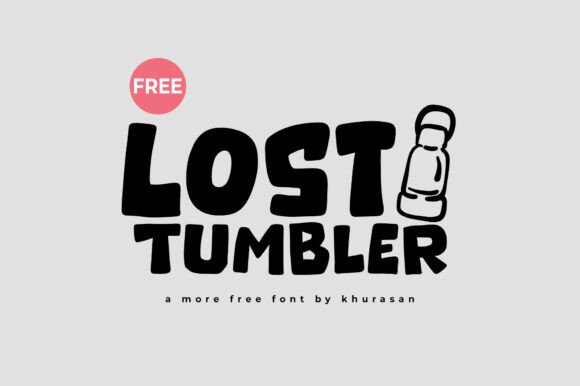
Visually, Lost Tumbler leans into a clean yet playful structure. It's a handwritten-style display font that feels modern and intentional, not messy or overly casual. The rounded edges and consistent stroke weight contribute to its friendly, open appearance. Unlike many script fonts that rely on dramatic flourishes, Lost Tumbler maintains readability while still offering that handcrafted feel. It’s the kind of typeface that draws attention without overwhelming the design around it.
Where Lost Tumbler Shines
Because of its legibility and expressive character, Lost Tumbler works well across a variety of design contexts. Here are a few applications where it truly comes to life:
- Logo design – Especially for brands that want to feel approachable, creative, or family-friendly.
- Packaging design – Great for product labels, greeting cards, and lifestyle brands that want to stand out on shelves.
- Social media graphics – The font’s clarity makes it ideal for overlay text in Instagram stories, Pinterest visuals, and promotional banners.
- Editorial design – Use it for magazine headers, book covers, or editorial illustrations where a modern, soft tone is desired.
It’s also a solid choice for web design when used sparingly—think call-to-action buttons, hero headers, or feature highlights. Because it’s a display font, it’s best reserved for short text elements rather than long-form content. That said, when used correctly, it can help establish a strong visual hierarchy and guide the viewer’s eye naturally through a layout.
How Font Choice Impacts Design and Branding
The right font does more than just look good—it communicates tone, builds trust, and reinforces brand identity. Lost Tumbler, with its clean curves and modern appeal, helps establish a sense of warmth and creativity. It reads as both professional and personable, which is a rare and valuable combination in today’s design landscape.
From a branding perspective, consistency in typography helps with recognition. If your brand leans toward a soft, modern aesthetic, using Lost Tumbler across your marketing materials, website, and packaging can help reinforce that identity. It also plays well with more neutral fonts, making it easy to pair with sans-serif or serif companions for a balanced typographic system.
When it comes to audience engagement, readability and emotional tone matter. Lost Tumbler strikes a balance—its legibility ensures the message is clear, while its personality adds a layer of emotional connection. This makes it especially effective for businesses targeting younger audiences, educators, or service providers in wellness, lifestyle, or creative industries.
Choosing Lost Tumbler for Your Project
Before downloading or purchasing a premium font like Lost Tumbler, consider how it aligns with your project’s goals. Ask yourself:
- Is the tone of the font appropriate for the message?
- Will it be readable at the intended size and on the intended medium (print, screen, signage)?
- Does it pair well with the other design elements and fonts in the layout?
It’s also important to review what’s included in the font package. Some display fonts come with alternate characters, ligatures, or multiple weights. Lost Tumbler typically includes a standard set of uppercase and lowercase letters, numerals, and punctuation, making it versatile enough for most headline uses. If your project requires multilingual support or extended glyph sets, be sure to check that before finalizing your selection.
Pairing and Testing for Best Results
One of the keys to using any creative font effectively is thoughtful pairing. Since Lost Tumbler has a distinct personality, it works best when balanced with a simpler, more neutral font. For example:
- Pair it with a clean sans-serif like Montserrat or Lato for digital headers.
- Combine it with a classic serif like Georgia or Playfair Display for editorial or print use.
Before locking in your design, test the font in context. View it on different screen sizes, print samples if possible, and get feedback from others. Even the best design assets can fall short if they don’t perform well in real-world applications.
Final Thoughts
Lost Tumbler is more than just another display font—it’s a versatile tool that bridges the gap between personality and professionalism. Whether you're crafting a logo, designing a poster, or creating digital assets, this font can help your work feel more engaging and intentional. By understanding its strengths and using it thoughtfully, you can bring a fresh, modern touch to your creative and commercial projects alike.