Softizen: A Modern Display Font for Creative Design Projects
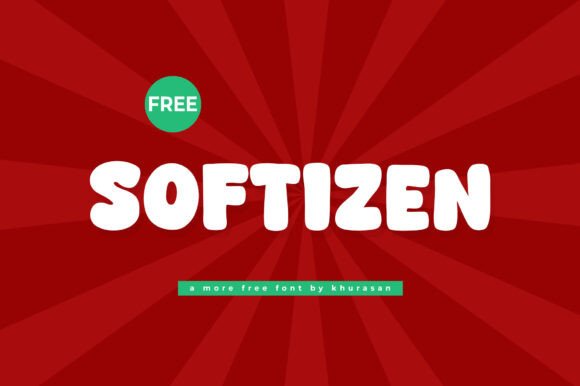
Softizen is a modern and cute display font designed with versatility and visual appeal in mind. It stands out in the crowded landscape of typography due to its clean yet playful aesthetic, making it a strong candidate for a wide range of creative applications. Whether you're designing posters, logos, book covers, or banners, Softizen offers a fresh look that can elevate your visual message without overwhelming it.
What Makes Softizen Unique?
At its core, Softizen blends contemporary design with a touch of whimsy. Unlike many display fonts that lean heavily into boldness or complexity, Softizen maintains a balanced structure that is both readable and expressive. Its rounded edges and soft curves give it a friendly, approachable character, while its consistent weight ensures legibility even at smaller sizes.
One of the key differentiators of Softizen is its adaptability. While many display fonts are best suited for large-format use, Softizen retains its charm across a variety of sizes and formats. This makes it especially useful for designers who need a font that performs well in both print and digital environments.
Comparing Softizen to Similar Fonts
When evaluating display fonts for creative work, it's important to consider how Softizen stacks up against similar options. Many fonts in this category emphasize either boldness or minimalism, often sacrificing readability or personality in the process. Softizen strikes a middle ground—its design is distinctive enough to catch attention but not so stylized that it becomes difficult to read.
For example, some modern display fonts rely heavily on sharp angles or exaggerated letterforms to create visual impact. While these can be effective in specific contexts, they may not offer the same level of flexibility as Softizen. Its more restrained design allows it to blend well with different visual styles, from minimalist to retro-inspired layouts.
Strengths and Limitations of Softizen
Like any design tool, Softizen has its strengths and tradeoffs. One of its most notable strengths is its ability to convey a sense of warmth and approachability. This makes it an excellent choice for branding projects targeting younger audiences or for designs that aim to evoke a sense of friendliness and optimism.
However, Softizen may not be the ideal choice for every project. Its playful nature, while a benefit in many contexts, could be a drawback when a more formal or traditional tone is required. For example, in corporate branding or academic publishing, a more neutral or classic font may be more appropriate.
Best Use Cases for Softizen
Softizen shines in design scenarios where visual appeal and emotional tone are important. It works particularly well in the following contexts:
- Logos: Especially for brands targeting children, lifestyle products, or creative services.
- Book Covers: Its readability and charm make it a great choice for titles in fiction, self-help, or children's literature.
- Posters and Banners: Whether for events, promotions, or personal projects, Softizen adds a modern flair that draws attention.
- Magazine Layouts: Especially in design-forward publications where a fresh, contemporary look is desired.
In these applications, Softizen's personality enhances the overall design without overshadowing the content or message.
When to Consider Alternatives
While Softizen is versatile, there are situations where a different font might be more appropriate. For example, if your design requires a highly stylized or minimalist approach, you may want to explore other options. Similarly, if you're working with a color palette or imagery that is already quite busy, a simpler font may help maintain visual balance.
Designers should also consider technical factors such as file format, licensing, and cross-platform compatibility. While Softizen is generally well-supported, it's always wise to verify that it meets the technical requirements of your specific project.
Practical Design Tips for Using Softizen
To get the most out of Softizen, consider the following design strategies:
- Pair with Complementary Fonts: Use a clean sans-serif or serif font for body text to balance Softizen's expressive style.
- Limit Its Use: Reserve Softizen for headlines or key design elements to maintain visual hierarchy.
- Test Across Mediums: Preview how Softizen looks on both print and screen to ensure consistent results.
- Adjust Spacing: Kerning and letter spacing can significantly impact legibility—take time to fine-tune these settings.
These tips can help ensure that Softizen enhances your design rather than complicates it.
Making the Right Choice for Your Project
Selecting the right font involves more than just aesthetics—it's about finding the best match for your message, audience, and medium. Softizen offers a compelling combination of style and usability that makes it a strong contender for many creative projects. However, like any design decision, it should be evaluated in the context of your overall goals.
When comparing Softizen to other display fonts, ask yourself whether its tone aligns with your brand personality. If you're aiming for a warm, modern, and slightly playful look, Softizen is likely a good fit. If, on the other hand, your project calls for a more formal or minimalist approach, you may want to explore alternatives that better suit that tone.
Final Thoughts
Softizen is a thoughtfully designed display font that brings both personality and functionality to the table. Its clean lines, rounded edges, and adaptable nature make it suitable for a wide range of applications. By understanding its strengths, limitations, and ideal use cases, designers can make informed decisions that enhance their creative output.
Whether you're crafting a logo, designing a magazine layout, or creating a promotional banner, Softizen offers a modern aesthetic that can help your work stand out. As with any design element, the key is to use it intentionally and in harmony with your overall visual strategy.