Pikabu: A Y2K-Inspired Font for Modern Design Projects
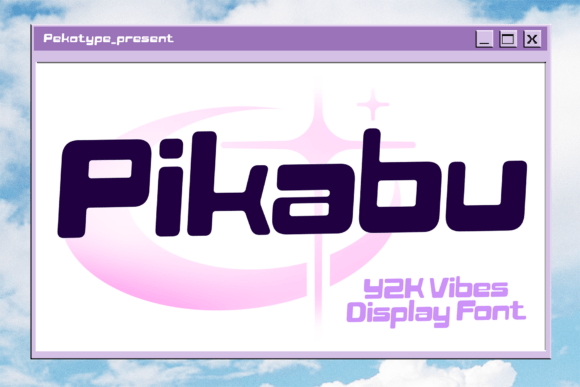
Designers looking to infuse their work with a sense of digital nostalgia and futuristic flair are increasingly turning to Pikabu — a display font that channels the vibrant energy of the early 2000s. With its clean lines, subtle gloss, and unmistakable retro-futuristic appeal, Pikabu offers a versatile solution for a wide range of creative and commercial applications.
Unlike generic fonts that lack personality, Pikabu stands out with its distinctive curves and tech-inspired edges. It’s not just a throwback — it’s a modern reinterpretation of Y2K design language that resonates with both younger audiences and those who lived through the era. Whether you're designing a logo, a social media post, or product packaging, Pikabu brings a youthful, energetic tone that can elevate your visuals.
What Makes Pikabu Unique?
At first glance, Pikabu captures attention with its smooth, slightly reflective surfaces and rounded corners. These design choices evoke the glossy, screen-lit aesthetics of early digital interfaces while maintaining readability and adaptability in modern contexts.
One of the standout features of Pikabu is its comprehensive character set. It includes:
- Uppercase and lowercase letters
- Numbers and punctuation
- Multilingual support for global use
This level of completeness ensures that designers can use Pikabu across diverse platforms and languages without worrying about missing characters or formatting issues.
Where Can You Use Pikabu?
The versatility of Pikabu makes it suitable for a broad spectrum of design environments. Here are some practical applications across different industries:
Branding and Marketing
In the competitive world of branding, first impressions matter. Pikabu’s bold and futuristic appearance makes it ideal for tech startups, lifestyle brands, and entertainment ventures looking to stand out. It works especially well for brand names, taglines, and promotional materials where a strong visual identity is key.
Social Media and Digital Content
For creators and marketers managing social media content, Pikabu offers a fresh alternative to overused sans-serif fonts. Its eye-catching style enhances post headlines, story highlights, and video thumbnails — helping your content pop in a crowded feed.
Music and Entertainment
If you're designing album covers, event posters, or music visuals, Pikabu's energetic vibe aligns well with genres like pop, electronic, and K-pop. Its retro-futuristic look can help reinforce a theme of digital optimism or futuristic fantasy.
Product Packaging and Merchandise
From limited-edition drink cans to fashion labels and accessories, Pikabu adds a glossy, high-tech feel to product designs. It’s especially effective for limited-run or youth-oriented products that aim to create a sense of nostalgia and novelty.
Why Pikabu Works Across Different Mediums
One reason Pikabu performs well across various mediums is its balanced design. The font maintains legibility at both large and small sizes, making it effective for everything from billboard ads to mobile app buttons.
Its retro-futuristic aesthetic also bridges the gap between old and new design trends. While it evokes the early 2000s, it avoids looking outdated thanks to its clean structure and modern spacing. This dual appeal makes it a go-to choice for designers aiming to create something both nostalgic and current.
How to Use Pikabu Effectively
To get the most out of Pikabu, consider the following tips:
- Pair it with minimalist designs — Let Pikabu shine by pairing it with clean backgrounds and simple layouts. Too many competing elements can overshadow its unique character.
- Use it for short text — As a display font, Pikabu is best suited for headlines, titles, and short bursts of text rather than long paragraphs.
- Experiment with color and effects — Its smooth surfaces respond well to gradients, glows, and light effects. Try using it in neon tones or with a subtle gloss to enhance its Y2K feel.
- Test readability across devices — Always preview your designs on different screens to ensure Pikabu remains clear and visually appealing.
Real-World Examples of Pikabu in Action
Let’s look at a few real-world applications where Pikabu has made a noticeable impact:
- A fashion brand’s logo — A boutique clothing brand used Pikabu to create a logo that blends streetwear aesthetics with digital futurism. The result was a fresh, recognizable identity that resonated with Gen Z customers.
- A music festival poster — Event designers incorporated Pikabu into a vibrant poster for a retro-themed music festival. The font’s glossy look helped reinforce the event’s nostalgic yet modern vibe.
- A mobile app interface — A startup developing a youth-focused productivity app used Pikabu for its promotional visuals and splash screens. The font’s clean, energetic style aligned perfectly with the app’s branding.
What to Consider When Choosing a Y2K-Inspired Font
While Pikabu offers many advantages, it’s important to evaluate any font based on your specific needs. Ask yourself:
- Does the font match the tone and message of your project?
- Is it versatile enough for different uses (print, digital, mobile)?
- Does it support all the characters and languages you need?
- How does it perform in terms of readability and scalability?
By answering these questions, you can ensure that Pikabu — or any other font — enhances your design rather than hinders it.
Final Thoughts
Pikabu is more than just a Y2K throwback — it’s a practical, modern font that brings a sense of fun and digital optimism to today’s design landscape. Whether you're a professional designer, a small business owner, or a content creator, Pikabu offers a fresh way to express creativity and connect with audiences who appreciate both nostalgia and innovation.
If you're looking for a font that combines retro charm with contemporary usability, Pikabu is definitely worth exploring. Its clean design, comprehensive character set, and versatile appeal make it a valuable addition to any designer’s toolkit.