Quelqit: A Strategic Typeface for Bold Branding and Confident Communication
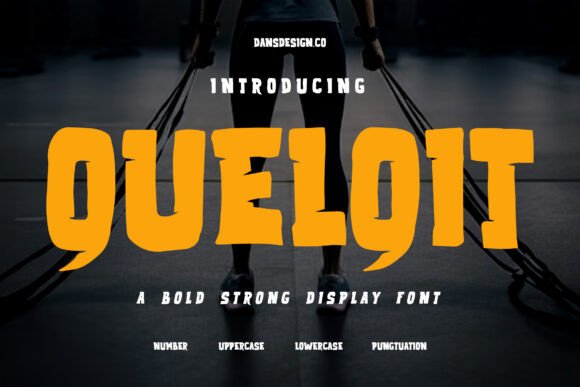
When it comes to visual communication, typography is more than just a design choice—it’s a strategic decision. Quelqit stands out as a muscular, dynamic display font with heavy strokes and a confident stance. Its bold presence and slightly irregular shapes give it a hand-crafted edge, making it ideal for brands and creators who want to project strength, authenticity, and intention.
In a world where visual identity plays a critical role in audience perception, choosing the right typeface can influence how your message is received. Quelqit isn’t just another font; it’s a tool for intentional design that supports branding, marketing, and communication strategies across multiple platforms.
Understanding Quelqit: Strength Meets Style
At its core, Quelqit is designed to command attention. The font’s heavy weight and dynamic structure lend it a powerful visual presence. Unlike more neutral or minimalist typefaces, Quelqit is expressive—its slightly uneven contours suggest a human touch, reinforcing a sense of authenticity and craftsmanship.
This combination of strength and style makes Quelqit particularly effective in contexts where boldness is an asset. Whether used in a sports logo, a gym branding package, or a streetwear campaign, Quelqit conveys energy and confidence. It doesn’t just say something—it says it with conviction.
Strategic Use of Quelqit in Branding and Communication
Typography is a key component of brand identity. The right font can reinforce a brand’s personality and values. Quelqit, with its muscular appearance and assertive stance, is well-suited for brands that want to project power, resilience, and authority.
- Sports and fitness branding: Quelqit’s bold presence works exceptionally well for gym logos, athletic apparel, and event posters.
- Streetwear and lifestyle design: Its edgy, hand-crafted look aligns with urban aesthetics and youth-driven branding.
- Poster design and advertising: As a display font, Quelqit excels in headlines and visual campaigns where impact is key.
When used thoughtfully, Quelqit can become a visual anchor for a brand’s identity. It supports consistent messaging and strengthens recognition across different media formats.
When to Use Quelqit—and When to Step Back
While Quelqit’s bold nature is a strength, it’s not a one-size-fits-all solution. Strategic use requires consideration of context, audience, and purpose.
Use Quelqit when:
- You need to project strength, energy, or dominance.
- Your brand identity leans toward bold, expressive visuals.
- You’re designing for print or digital media where visual impact is prioritized over readability.
Avoid Quelqit when:
- You need a font for long-form content or body text.
- Your brand identity is more refined, minimalist, or elegant.
- You're targeting audiences that respond better to subtlety and nuance.
Like any design element, Quelqit should be used with intention. Deploying it without a clear strategic purpose can dilute its impact and potentially confuse your audience.
Integrating Quelqit into a Visual Strategy
Incorporating Quelqit into your visual strategy starts with understanding your brand’s voice and visual language. Consider the following steps:
- Define your brand’s tone: Is your brand bold, assertive, and action-oriented? If so, Quelqit can reinforce that message.
- Map out key use cases: Identify where Quelqit will be most effective—logos, headlines, social media visuals, merchandise, etc.
- Pair with complementary fonts: Use Quelqit for headlines and pair it with a more readable sans-serif or serif font for supporting text.
- Maintain visual hierarchy: Use Quelqit strategically to highlight key messages, not overwhelm the design.
By aligning the use of Quelqit with your broader visual and brand strategy, you ensure that every design decision contributes to a cohesive and compelling identity.
Planning for Long-Term Visual Consistency
Typography is not just about aesthetics—it’s about consistency over time. Brands that maintain visual coherence across platforms build stronger recognition and trust. Quelqit can be a valuable part of that long-term strategy, provided it aligns with your brand’s evolution.
Consider the following when evaluating Quelqit for long-term use:
- Scalability: Will Quelqit remain effective as your brand grows and expands into new markets or media formats?
- Adaptability: Can it be adapted for different applications without losing its visual impact?
- Timelessness: Does Quelqit reflect a trend, or does it support a more enduring brand identity?
These questions help ensure that your choice of typeface supports not just immediate design needs, but also long-term brand positioning and growth.
Risks of Overusing or Misusing Quelqit
While Quelqit is visually compelling, it carries the risk of being overused or misapplied. Using it in contexts where subtlety or readability is more important can lead to design fatigue or miscommunication.
Common pitfalls include:
- Using it for body text where legibility is essential.
- Applying it too frequently across all brand materials, reducing its visual impact.
- Mismatching it with brand values that lean toward elegance or minimalism.
To avoid these issues, treat Quelqit as a strategic asset rather than a default design choice. Evaluate each use case carefully and ensure alignment with your overall communication goals.
Conclusion: Quelqit as a Thoughtful Design Decision
In the right hands, Quelqit is more than a font—it’s a strategic tool for building a strong, memorable brand identity. Its muscular presence and confident stance make it ideal for applications where boldness and authenticity matter most.
Whether you're launching a new brand, redesigning a logo, or creating a visual campaign, Quelqit offers a powerful way to communicate strength and confidence. But like any design element, its effectiveness lies in how intentionally and strategically it's used.
By aligning Quelqit with your brand’s voice, audience, and long-term goals, you ensure that every design choice contributes to a cohesive and impactful visual identity. That’s not just good design—it’s smart strategy.