Callestia: A Distinctive Retro Script for Bold Typography
Typography plays a crucial role in visual communication, shaping how audiences perceive a message. Among the many typefaces available, Callestia stands out as a bold retro script that evokes the energetic design sensibilities of the 1990s. Its smooth curves and strong personality make it more than just a font—it's a design element that can elevate a project's aesthetic with a nostalgic yet confident tone.
What Makes Callestia Unique?
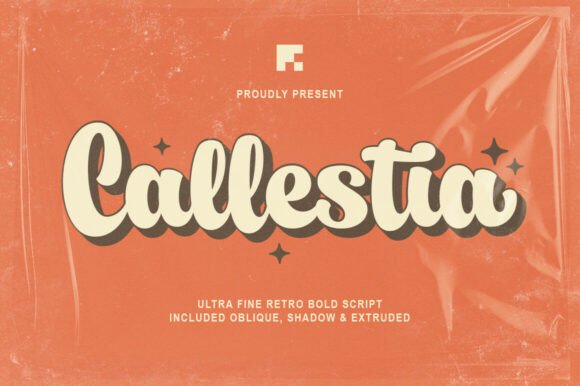
Callestia is specifically crafted as a display font, ideal for headlines, logos, posters, and packaging. Unlike body fonts designed for long-form readability, Callestia thrives in short, impactful settings where visual appeal takes precedence. The font’s defining features include:
- Script style with connected letters that mimic natural handwriting
- Bold weight that ensures presence and visibility
- Retro design inspired by 70s–80s aesthetics
- Oblique and extrude versions for added dimension and dynamic effects
These characteristics make it a versatile choice for designers aiming to create a nostalgic or expressive tone without sacrificing legibility in visual media.
Comparing Callestia with Similar Fonts
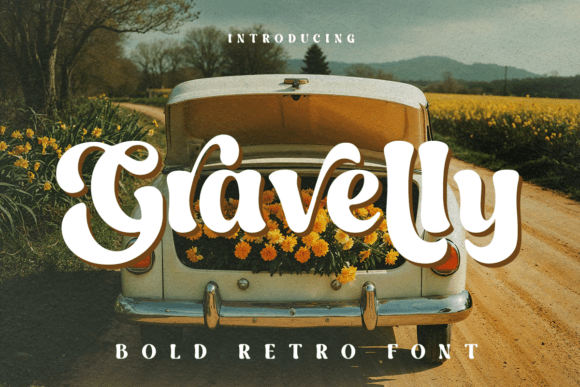
When evaluating retro-style scripts, it’s helpful to understand how Callestia fits within the broader category of display fonts. Many fonts share a similar vintage or handwritten appeal, but Callestia distinguishes itself through its balance of thickness, curvature, and stylistic flexibility.
For instance, some retro fonts lean heavily into the 70s aesthetic with exaggerated serifs or textures, which may limit their usability in modern contexts. Callestia, by contrast, maintains a cleaner, more adaptable form while still delivering the retro punch that designers seek. Its oblique and extrude variations also offer built-in options for depth and movement, reducing the need for external effects that might complicate the design process.
Compared to minimalist or modern scripts, Callestia’s boldness makes it less suitable for subtle or refined applications. It excels in environments where visual impact is key—think album covers, vintage branding, event posters, or social media graphics.
Strengths and Tradeoffs
Every font has its ideal use case, and Callestia is no exception. Understanding its strengths and limitations helps designers make informed choices that align with their project goals.
Key Strengths:
- High visual impact due to its bold weight and dynamic curves
- PUA encoding provides easy access to extended glyphs, swashes, and alternates
- Stylistic flexibility with oblique and extrude versions included
- Quick recognition of its retro character, making it ideal for themed branding or period references
Potential Tradeoffs:
- Limited readability at small sizes, making it unsuitable for body text
- Niche aesthetic may not align with contemporary or minimalist design trends
- Requires thoughtful pairing with complementary fonts to avoid visual clutter
These tradeoffs don’t diminish Callestia’s value—they simply highlight that it’s best suited for specific applications where its bold, expressive nature can shine.
When to Choose Callestia
Callestia is particularly well-suited for projects that benefit from a nostalgic or high-energy visual tone. Consider using it when:
- Designing retro-themed logos or brand identities that evoke the 90s or earlier decades
- Creating posters, flyers, or digital banners where bold headlines are essential
- Developing vintage-style packaging for products like beverages, apparel, or collectibles
- Adding typographic flair to social media visuals or editorial covers
In these scenarios, Callestia’s bold presence and stylistic versatility can help reinforce the intended mood without requiring excessive design adjustments.
When Another Font Might Be Better
While Callestia offers a compelling retro aesthetic, it’s not always the most appropriate choice. Consider alternative fonts if your project requires:
- Extended readability in body text or paragraphs
- A modern, minimalist look that avoids strong stylistic cues
- International language support beyond standard Latin characters
- Subtle emphasis rather than bold visual impact
In such cases, exploring more neutral or versatile font families—such as sans-serif or slab-serif options—may better align with the design’s functional and aesthetic goals.
Practical Design Tips for Using Callestia
To get the most out of Callestia while avoiding common pitfalls, consider the following tips:
- Use it sparingly: Due to its bold nature, limit Callestia to headlines, logos, or accents rather than extended text.
- Pair with complementary fonts: Balance its expressive style with simpler sans-serif or serif fonts for supporting text.
- Experiment with effects: Take advantage of the oblique and extrude versions to add depth without relying on external design tools.
- Test at different sizes: Ensure legibility by previewing how the font appears in both large and small formats.
- Customize with glyphs: Make use of PUA-encoded characters to add unique swashes or alternates that enhance the design’s personality.
These strategies help maintain visual harmony while leveraging Callestia’s distinctive traits to their fullest.
Final Thoughts
Callestia offers a compelling blend of retro charm and typographic strength, making it a valuable tool for designers seeking to evoke a bold, nostalgic aesthetic. While it may not be the most versatile font for every project, its unique character and built-in stylistic options make it a standout choice in the right context. By understanding its strengths, limitations, and best-use scenarios, designers can make informed decisions that enhance both the visual appeal and communicative power of their work.