Thorns Font: A Bold Choice for Creative Typography
Understanding Thorns: A Modern Display Font
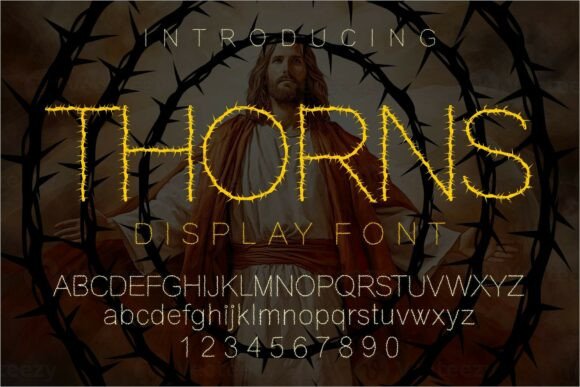
Thorns is a distinctive display font characterized by its sharp, bold design. It is crafted to stand out, particularly when used in uppercase form. The font’s angular and edgy appearance gives it a strong visual presence, making it a compelling option for designers seeking a modern typographic style.
Unlike traditional serif or sans-serif fonts designed for body text, Thorns is optimized for headlines, logos, and short-form text where impact is key. Its design leans toward the dramatic, making it especially effective in projects that require a sense of strength or assertiveness.
Why Designers Consider Thorns
Designers often seek fonts that convey a specific tone or aesthetic. Thorns appeals to those looking for a typeface that is both modern and assertive. Its sharp edges and bold structure communicate confidence and intensity, making it a natural fit for branding and visual identity projects that aim to project strength.
One of the reasons Thorns garners attention is its compatibility with popular design tools such as Adobe Photoshop and Silhouette Design Studio. This integration allows users to incorporate the font seamlessly into both digital and print projects, including posters, social media graphics, and custom illustrations.
Key Benefits of Using Thorns
Thorns offers several advantages that make it a practical choice in specific design contexts:
- High Visual Impact: Its bold and angular structure ensures it stands out, especially in large formats.
- Tool Compatibility: Works well within common graphic design software, allowing for flexibility in usage.
- Playful Yet Strong: Despite its sharpness, the font maintains a sense of creativity, making it suitable for both edgy and whimsical designs.
These benefits make Thorns a versatile option for designers who need a typeface that is both expressive and functional within a design workflow.
Tradeoffs and Considerations
While Thorns excels in certain applications, it is not without limitations. Due to its stylized nature, it is not recommended for long-form text or small-size applications where legibility may be compromised. The font’s sharpness, while a design strength, can also become visually overwhelming if overused or paired inappropriately with other design elements.
Additionally, Thorns is limited to uppercase characters, which may restrict its usability in certain branding or typographic contexts. Designers should consider whether this limitation aligns with their project’s needs before committing to the font.
When Thorns Is the Right Choice
Thorns is particularly well-suited for:
- Brand Logos: Especially for brands aiming to project strength, modernity, or a bold identity.
- Inspirational Posters: Where short, impactful text enhances the visual message.
- Social Media Graphics: For attention-grabbing headers or quotes.
- Print Artwork: Including wall art, greeting cards, or event invitations where a modern edge is desired.
In these scenarios, the font’s visual intensity becomes an asset rather than a drawback, contributing to the overall aesthetic and communicative power of the design.
When to Consider Alternatives
While Thorns has its strengths, there are situations where alternative fonts may be more appropriate:
- Long-form Typography: If the project involves extended text, a more legible and neutral font may be better suited.
- Branding Requiring Softness: Brands that aim to project approachability or elegance may find Thorns too aggressive.
- Projects Needing Lowercase Support: Since Thorns lacks lowercase letters, it may not work for all copywriting needs.
Designers should weigh these considerations against their project goals to determine whether Thorns aligns with their typographic strategy.
Practical Insights for Font Selection
When evaluating Thorns for a project, consider the following decision-making criteria:
- Message and Tone: Does the font reflect the intended emotional or conceptual tone of the design?
- Readability Requirements: Will the font be used in a context where clarity is essential, or is visual impact the priority?
- Software and Output Compatibility: Confirm that the font integrates smoothly with the tools and platforms being used.
- Project Scope: Determine whether the font’s stylistic features enhance or limit the design across different applications.
By answering these questions, designers can make a more informed decision about whether Thorns is the most appropriate typeface for their specific needs.
Conclusion: Evaluating Thorns for Your Design Needs
Thorns is a bold, modern display font that offers a unique combination of strength and creativity. It serves as an effective typographic solution for designers looking to make a visual statement in short-form text applications. Its compatibility with major design tools and its striking appearance make it a practical option for a variety of creative projects.
However, its stylistic nature also means it may not be ideal for every use case. Designers should carefully consider the context in which they plan to use Thorns, weighing its benefits against potential limitations such as readability and character support.
Ultimately, the decision to use Thorns should be based on how well it aligns with the visual and communicative goals of the project. When used thoughtfully, it can elevate a design and contribute meaningfully to brand identity and aesthetic appeal.