Pencil Crayon: A Versatile Font for Creative Typography
Understanding the Aesthetic Appeal of Pencil Crayon
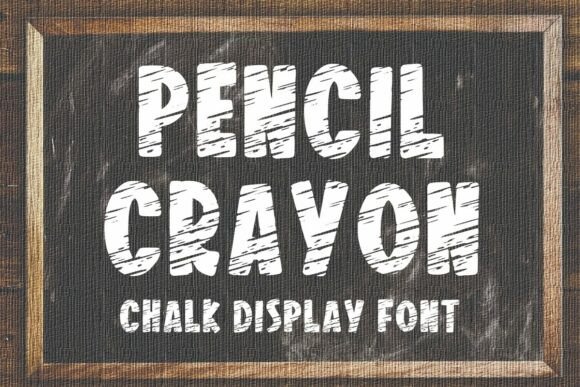
The Pencil Crayon typeface draws inspiration from the soft, textured strokes of traditional pencil and chalk writing. Designed to mimic the hand-drawn quality of sketches and casual notes, this font introduces a tactile and organic feel into digital and print media. Its irregular outlines and slight imperfections evoke a sense of authenticity, making it ideal for projects that aim to feel personal or artisanal.
Unlike sleek, modern sans-serif fonts that dominate digital interfaces, Pencil Crayon embraces a more expressive and informal character. Each letter appears as though it were sketched with a graphite pencil or scribbled with a piece of chalk on a blackboard. This visual texture enhances readability in short bursts and adds a nostalgic charm that resonates with diverse audiences.
Practical Applications Across Design Projects
Designers frequently turn to Pencil Crayon for its ability to blend functionality with a whimsical aesthetic. It performs exceptionally well in environments where a warm, approachable tone is desired. Consider the following use cases:
- Logos and Branding: Brands that want to project a friendly, creative, or educational identity often incorporate Pencil Crayon into their visual language. It works particularly well for startups, tutoring services, and lifestyle brands targeting younger demographics.
- Invitations and Greeting Cards: The font’s handwritten quality makes it a popular choice for event invitations, baby showers, and personalized cards. It adds a human touch that feels more intimate than machine-generated text.
- Educational Materials: Teachers and curriculum designers use Pencil Crayon in worksheets, flashcards, and classroom signage to create a less formal and more engaging learning environment.
- Planners and Journals: Whether digital or printed, planners benefit from the font’s legibility and relaxed style. It encourages creativity in note-taking and journaling spaces.
Technical Features and Design Characteristics
From a typographic standpoint, Pencil Crayon is a display font, which means it’s best suited for headlines, titles, and short text blocks rather than body copy. It typically includes a full set of uppercase and lowercase letters, numbers, and punctuation marks, though some versions may offer stylistic alternates or ligatures for added customization.
The font’s texture comes from its simulated pencil strokes, which vary in thickness and density. This effect is often achieved through layered outlines or textured fills in digital formats. Designers can adjust the intensity of the pencil effect depending on the medium—lighter strokes for screen displays and heavier textures for print materials.
Advantages of Using Pencil Crayon in Design
Choosing Pencil Crayon offers several distinct advantages:
- Emotional Resonance: The font connects with audiences on a personal level, evoking memories of childhood scribbles, school notes, or creative doodles.
- High Readability in Short Texts: Despite its textured appearance, it remains legible at moderate sizes, especially when used in headers or captions.
- Unique Brand Voice: Businesses that use Pencil Crayon can differentiate themselves visually from competitors who rely on standard fonts.
- Versatility in Color: The font works well in black and white as well as in color applications, allowing for creative combinations in branding and advertising.
Considerations for Effective Use
While Pencil Crayon is visually appealing, it’s important to use it thoughtfully to maintain clarity and professionalism. Here are some key considerations:
- Avoid Overuse: Because it’s a display font, using it for long paragraphs or large blocks of text can strain readability. Reserve it for headings, subheadings, or accents.
- Pair Thoughtfully: To maintain visual harmony, pair Pencil Crayon with clean, simple fonts like sans-serif typefaces for body text. This contrast enhances overall legibility and design balance.
- Test Across Devices: Ensure the font displays correctly on different screens and resolutions, especially for digital applications like websites or mobile apps.
- Check Licensing: Before using Pencil Crayon in commercial projects, verify the licensing terms to avoid legal issues.
Comparing Pencil Crayon to Similar Fonts
While several fonts mimic hand-drawn styles, Pencil Crayon stands out due to its balanced texture and wide character set. Fonts like Chalkboard or Comic Sans offer similar playful tones but often lack the nuanced detail and professional flexibility of Pencil Crayon.
Compared to digital handwriting fonts, Pencil Crayon feels less personal but more universally approachable. It strikes a middle ground between casual and structured design, making it suitable for both informal and semi-professional contexts.
Integrating Pencil Crayon in Web and Print Media
For web developers, embedding Pencil Crayon is straightforward using modern web font services like Google Fonts or Adobe Fonts. It’s important to optimize loading performance by limiting the number of font weights used and ensuring fallback fonts are in place for compatibility.
In print design, the font’s texture can be enhanced using specific paper types or printing techniques. Matte finishes often complement its chalk-like appearance, while glossy papers may dull the intended effect. Designers should also consider the size and spacing of text to preserve clarity.
Real-World Examples and Observations
Several well-known brands and creators have successfully incorporated Pencil Crayon into their designs. For example, a boutique children’s bookstore used the font in its logo and signage, creating a playful and inviting atmosphere. Similarly, a wellness blog adopted Pencil Crayon for its article titles to convey a relaxed and approachable tone.
Educational platforms have also embraced the font for interactive content. One online learning app used Pencil Crayon in its flashcard templates to simulate a familiar, hands-on learning experience. Users reported feeling more engaged with the material, suggesting that the font contributed to a positive learning environment.
Future Trends and Adaptability
As design trends continue to shift toward authenticity and minimalism, fonts like Pencil Crayon are likely to remain relevant. The growing popularity of handmade and artisanal aesthetics in branding and packaging also supports the font’s continued use across industries.
With advancements in variable fonts and AI-assisted design tools, future versions of Pencil Crayon may offer even more customization options, such as adjustable stroke thickness or dynamic texture layers. These enhancements would allow designers to tailor the font precisely to their project needs while preserving its signature charm.